
Coinone says a hack at contractor MetaM leaked support-chat data
South Korean crypto exchange Coinone said on Nov. 15 that an attacker broke into the servers of MetaM, the contractor that runs its customer support, at about 4 a.m. on Nov. 12 (Korea time) and viewed or took records customers had left in chat and phone support. Coinone has not said how many users are affected.
All news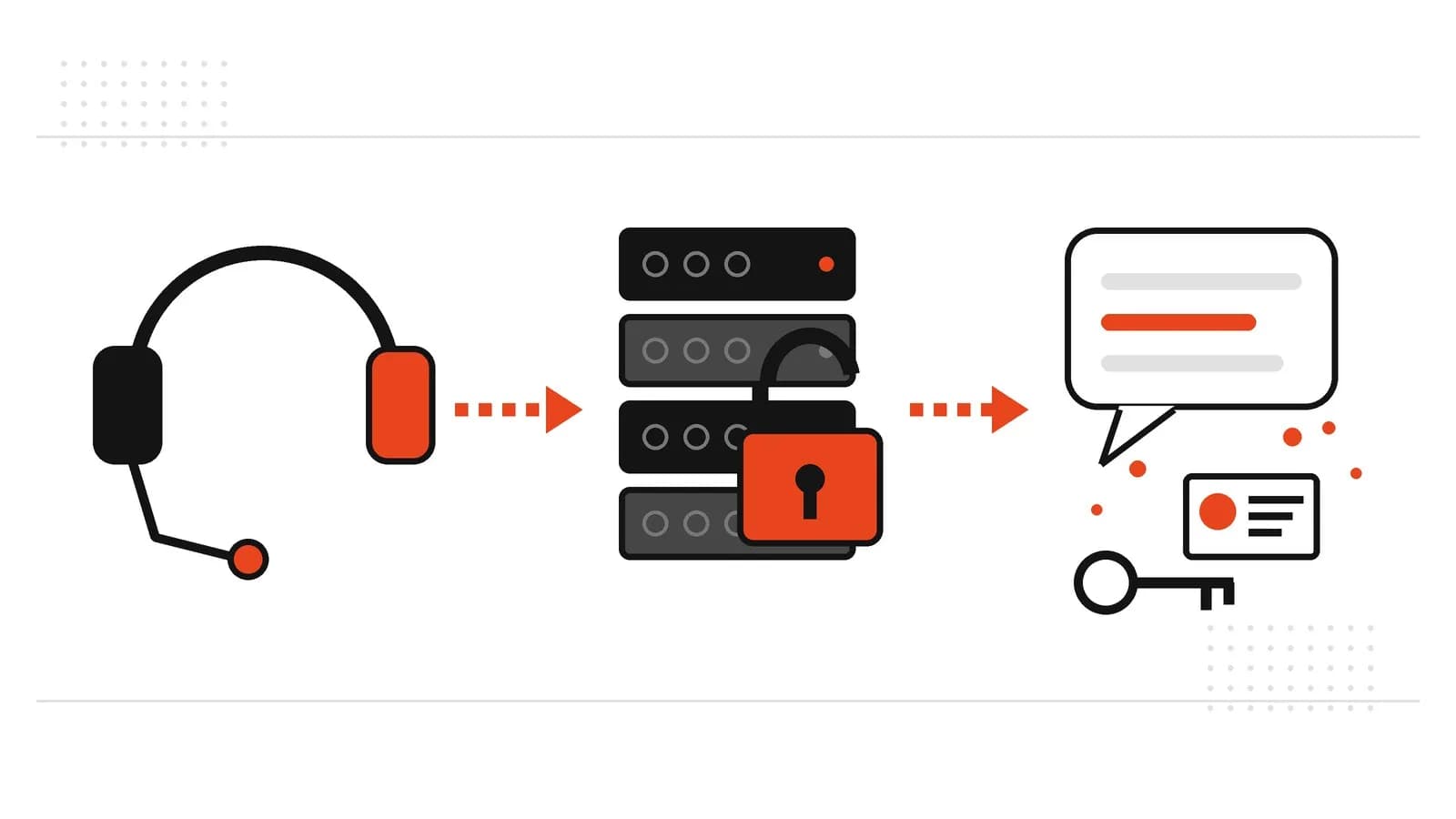
 Aleksey LeusenkoAuthor · Trading
 Editor-in-ChiefEditor · checked this story
Published November 16, 2026 at 06:21 AMUpdated November 16, 2026 at 06:21 AM
What happened, and when?
According to Coinone's notice (in Korean), MetaM told the exchange about the intrusion at about 9:20 a.m. the same day. Coinone says the exact time and route are still under investigation. MetaM's own Nov. 14 notice gives a different starting point: it spotted the problem after a support-service outage at 6:03 a.m. on Nov. 12 and reported the breach to the Korea Internet & Security Agency (KISA) at 3:44 a.m. on Nov. 13, Yonhap reported. MetaM said exposure differs by client company and that not every user's data leaked.
What data may have leaked
Which Coinone customers are affected?
Only people who contacted Coinone support. The exchange says customers with no support history are not affected. No count has been published, and Hankook Ilbo reported that the number of leaked records is still being checked.
What was exposed?
Whatever a customer typed or said during a chat or phone session. Coinone's list of items that may have leaked: phone number, name, email, date of birth, bank account number, password, resident registration number, ID card issue date, home address, wallet address and TXID. Actual items differ from person to person, and Coinone says it will offer a lookup service so users can check their own records.
Are Coinone accounts and funds at risk
Can someone log in or withdraw with this data?
Coinone says no. Its account, trading and wallet systems run separately from MetaM's servers, and it has found no sign of a direct intrusion so far. Every login needs a second factor, either an OTP or KakaoTalk verification on the user's own phone, and login requests from outside the official app are blocked. That is the exchange's assessment while the investigation continues.
What should users do now?
Anyone who shared a password in a support chat should change it on Coinone and wherever else it was reused, the exchange says. Coinone never asks for passwords, OTP or verification codes by phone, text or email, and never asks users to withdraw coins or change wallet addresses. A caller who cites a past support chat may be an impersonator. Users can also check the withdrawal address book for entries they did not add.
What has Coinone done?
It blocked the IP addresses used in the attack, switched outsourced support to email only, tightened monitoring and reported the leak to KISA, the Personal Information Protection Commission and the Financial Supervisory Service. Its notice also cites Korea's Personal Information Protection Act: affected users can claim damages without proving the company's fault, up to five times the loss if the leak was intentional or grossly negligent, or seek statutory damages of up to 3 million won.
Is this a one-off for Korean exchanges?
No funds are reported missing, unlike in the Binance hack. The closer parallel is the Keystone breach in October, where a break-in outside the wallets themselves exposed buyers' personal data. Korean traders, who are also tracking South Korea's crypto tax delay, saw another exchange data leak less than three weeks earlier: on Oct. 27 hackers got into Bithumb's internal work system and took data on 6,444 customers and 715 employees, Hankook Ilbo reported.
This story is for information only and is not investment advice. Crypto assets are volatile and you can lose everything you put in. You decide on any trade yourself. Disclosure
Comments0
Comments are moderated. Ads, insults, and trading calls are removed. Discussion rules
No comments yet
Be the first — the author reads the thread and answers questions.