
Crypto Security: How to Protect Your Coins
Learn how to protect your cryptocurrency from phishing, wallet attacks, scams and stolen seed phrases with simple crypto security practices
All news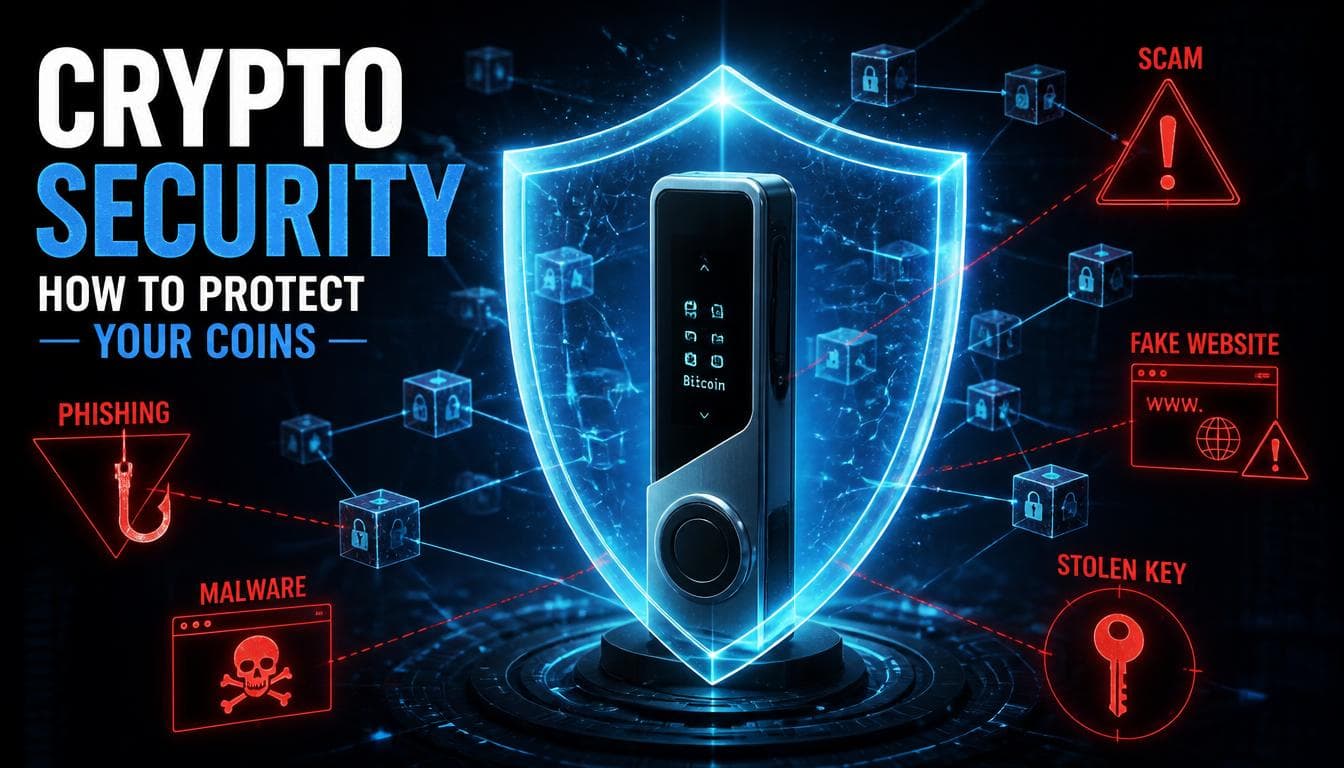

Published August 17, 2026 at 06:42 AMUpdated 02:32 PM
Keeping cryptocurrency safe is not only about choosing a reliable wallet or exchange. In many cases, the biggest security risk is the user themselves. A leaked seed phrase, a fake website or one careless transaction can lead to permanent loss of funds.
The good news is that many common threats can be avoided by following a few basic rules. In this guide, we will look at the most common crypto security risks and explain how to protect your coins.
Why Crypto Security Is So Important
Unlike a traditional bank account, cryptocurrency transactions are generally difficult or impossible to reverse. If you send coins to the wrong address or approve a malicious transaction, there may be no central institution that can simply cancel it.
This is one of the main differences between cryptocurrency and traditional finance. More control over your assets also means more responsibility for protecting them.
For this reason, security should be considered before making your first crypto transaction, not after something goes wrong.
Protect Your Seed Phrase
A seed phrase is one of the most important pieces of information associated with a self-custodial crypto wallet. It can be used to restore access to your funds if you lose access to the original device.
Anyone who gets your seed phrase may be able to access the assets controlled by that wallet.
Never send it through Telegram, email or social media. Do not store it in screenshots, cloud notes or ordinary text files.
A safer approach is to write it down and keep the backup in a secure physical location.
Important: legitimate wallet support should never ask you to send your seed phrase.
Use Strong Passwords and Two-Factor Authentication
If you use a centralized exchange, email account or other crypto-related service, protect the account with a unique password.
Avoid using the same password across multiple services. If one account is compromised, attackers may try the same credentials elsewhere.
Where available, enable two-factor authentication (2FA). An authenticator application is generally preferable to relying only on SMS codes because phone numbers can be targeted by SIM-swapping attacks.
Watch Out for Phishing
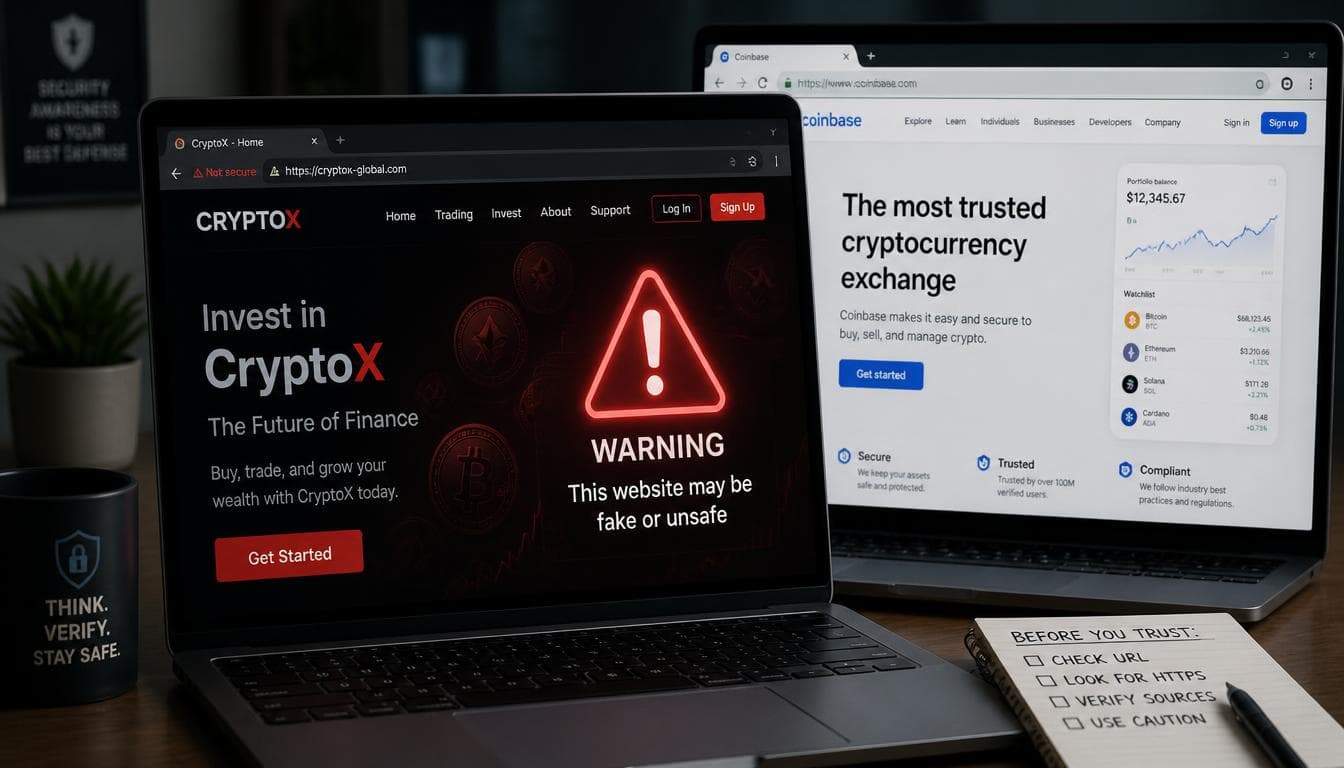
Phishing is one of the most common threats in the crypto industry. Attackers create fake websites, messages or applications that imitate legitimate services.
A fake website may ask you to connect your wallet or enter your recovery phrase. A fraudulent message may claim that your account has a problem and needs immediate verification.
Before connecting a wallet or entering any information, carefully check the website address.
Never rush because a message says that your account will be blocked or an offer will expire soon. Urgency is one of the most common tactics used by scammers.
Be Careful With Wallet Approvals
Connecting a wallet to a DeFi application does not automatically mean that the service can take all your cryptocurrency. However, some transactions require users to approve smart contracts to interact with specific tokens.
This is why it is important to understand what you are approving before confirming a transaction.
If a website asks for permissions that seem unnecessary or excessive, stop and investigate the request.
For larger amounts, many experienced users prefer to keep long-term holdings in a separate wallet that is not regularly connected to new applications.
Keep Your Software Updated
Security vulnerabilities can sometimes be fixed through software updates. This applies to your operating system, browser, wallet applications and hardware wallet software.
Download updates and wallet applications only from official sources. Fake applications can look almost identical to the real ones.
It is also useful to keep your device protected with a reputable security solution and avoid installing unknown software.
Use Hot and Cold Wallets Wisely
A hot wallet is connected to the internet and is convenient for regular transactions. A cold wallet, usually a hardware device, is designed to keep private keys more isolated from online threats.
For everyday transactions, a hot wallet can be convenient. For larger amounts intended for long-term storage, a hardware wallet may provide an additional layer of protection.
One practical approach is to separate your funds. Keep only the amount needed for regular activities in a hot wallet and store long-term holdings separately.
Never Trust Guaranteed Profits
Scammers often use promises of guaranteed returns to attract cryptocurrency users.
Messages offering double deposits, extremely high APY or guaranteed investment profits should immediately raise suspicion.
There is no legitimate investment strategy that can guarantee high returns without risk. If an offer sounds too good to be true, take a step back and research it before sending any money.
Check Transactions Before Confirming
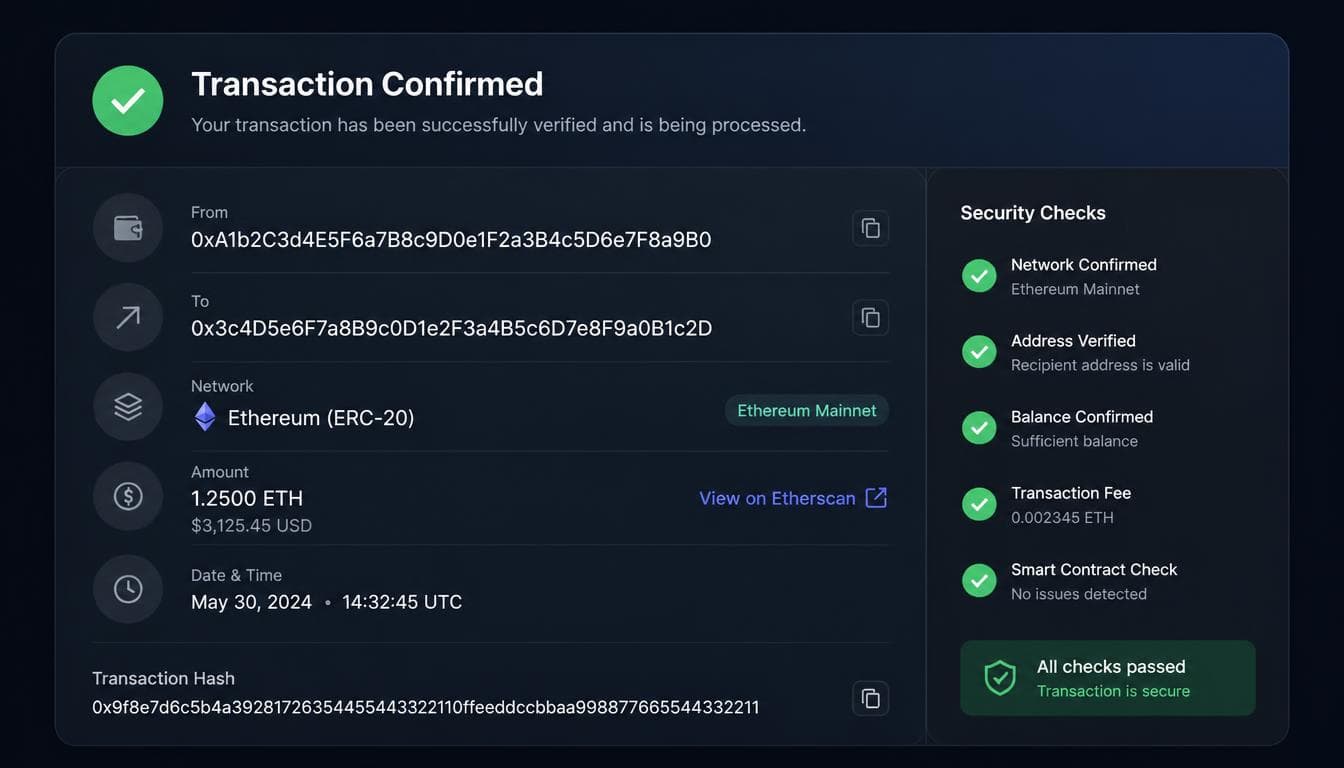
Blockchain transactions are often irreversible, so always check the details before pressing the confirmation button.
Pay attention to:
- Wallet address
- Blockchain network
- Amount
- Transaction fee
- Token and contract address
- Smart contract permissions
For a large transaction, consider sending a small test amount first if the situation allows it.
Create a Simple Security Routine
You do not need to be a cybersecurity expert to improve your crypto security. A simple routine can already prevent many common mistakes.
Before every important transaction, ask yourself
- Am I using the official website or application?
- Have I checked the wallet address?
- Is the blockchain network correct?
- Do I understand what I am approving?
- Am I being pressured to act quickly?
- Have I protected my seed phrase and private keys?
Taking an extra minute to check these details can be much cheaper than trying to recover lost cryptocurrency later.
Final Thoughts
Crypto security starts with understanding that you are responsible for protecting your assets. Using a reputable wallet is important, but it cannot protect you if you voluntarily give away your seed phrase or approve a malicious transaction.
Keep sensitive information private, use strong account protection, verify websites and transactions, and be especially careful with unexpected messages and unusually profitable offers.
The goal is not to eliminate every possible risk. It is to build simple security habits that make common attacks much harder to succeed.
Tags
This story is for information only and is not investment advice. Crypto assets are volatile and you can lose everything you put in. You decide on any trade yourself. Disclosure
Comments0
Comments are moderated. Ads, insults, and trading calls are removed. Discussion rules
No comments yet
Be the first — the author reads the thread and answers questions.