
What is Celestia? Understanding the Modular Blockchain
Celestia is a modular blockchain that separates core functions – consensus, data availability (DA), and execution – so builders can launch sovereign chains and rollups without…
All news

Published November 4, 2025 at 10:19 AMUpdated 08:26 PM
Celestia is a modular blockchain that separates core functions – consensus, data availability (DA), and execution – so builders can launch sovereign chains and rollups without bootstrapping their own validator sets. In 2025, it’s gaining traction because this “unbundled” design scales throughput while keeping verification cheap for light clients and enabling diverse execution environments (EVM, CosmWasm, Move, custom VMs).
How Celestia Works: Modular Architecture Explained
Separation of Consensus and Execution
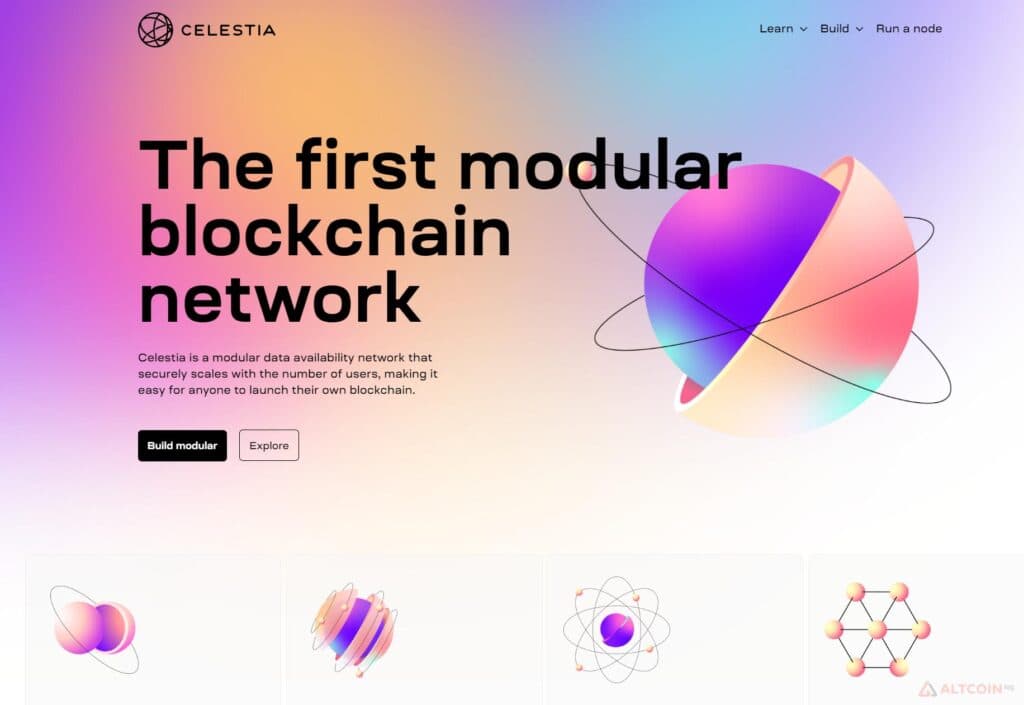
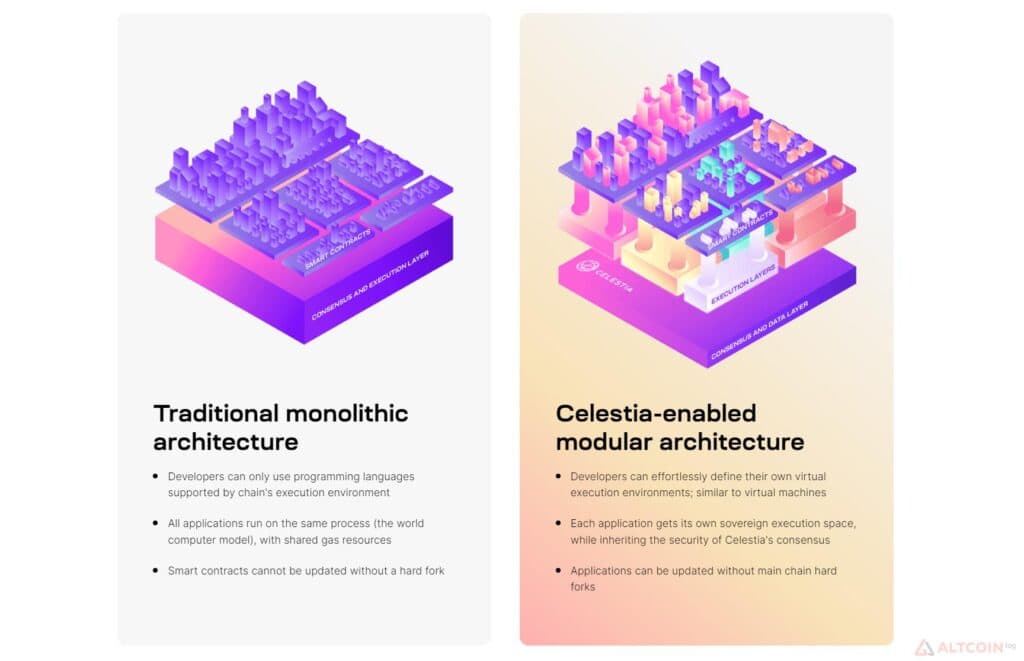
Monolithic L1s do consensus, DA, and execution on one chain. Celestia only handles ordering + data availability, letting rollups/appchains execute transactions elsewhere while inheriting DA security from Celestia.
What is Data Availability and Why It Matters
DA answers, “Were all transaction bytes published so anyone can verify state?” Celestia uses erasure coding and data availability sampling (DAS) so even light nodes can probabilistically verify large blocks by sampling small pieces – keeping verification cheap as blocks grow.
Celestia vs Monolithic Chains like Ethereum
- Monolithic (e.g., Ethereum L1): unified stack → simpler developer story, but scaling is bounded by the slowest layer.
- Modular (Celestia): specialized DA/consensus + pluggable execution → higher parallelism, faster iteration for rollups; trade-off is greater architectural complexity and reliance on bridges/interop.
The Role of Celestia Labs
Who Created Celestia and Why
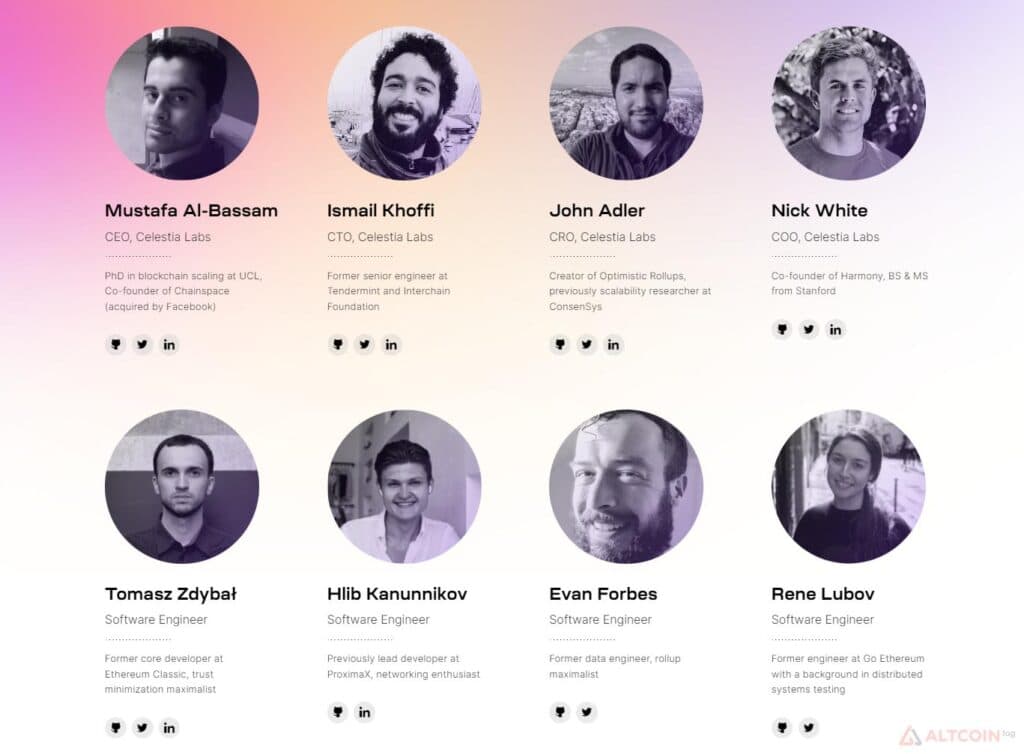
Celestia Labs (researchers with roots across Ethereum/Cosmos academia and industry) proposed a DA-centric L1 to make launching new blockchains as simple as deploying a smart contract – without sacrificing light-client security.
Vision of a Scalable, Interoperable Future
A world of sovereign rollups: each app picks its VM and fee market, shares a common DA layer, and communicates via standardized bridging and IBC-like protocols.
Key Partnerships and Ecosystem Growth
Tooling stacks (e.g., OP Stack/Arbitrum Orbit–style rollups), Cosmos SDK chains, and infra partners (indexers, wallets, bridges) underpin a growing rollup/appchain landscape building on Celestia DA.
What is the TIA Token?
Tokenomics and Use Cases
TIA is used for staking/validator security, DA fees (paying to publish blobs), and aligning incentives of validators/light clients. Supply and emissions are set by genesis and on-chain policy; fees are tied to data bytes, not execution gas.
Governance and Network Participation
Stakers/validators secure consensus and can participate in protocol governance (parameters, upgrades, DA economics). Delegators share rewards and risks with chosen validators.
TIA Airdrops: Past and Future Potential
Historical distributions targeted early users, contributors, and testnet participants. Future opportunities may favor active ecosystem usage (running light nodes, deploying rollups, bridging, or holding TIA), but always verify via official Celestia channels and reputable trackers.
Celestia DEX and Ecosystem Projects
Are There Any Native DEXs on Celestia?
Because Celestia is DA-focused, most DEXs live on rollups/appchains that post data to Celestia (rather than on Celestia itself). Expect early spot/perp DEXs, bridges, and on-chain indexes within those sovereign environments.
How Modular Design Enables DeFi Scaling
Rollups can tailor block times, MEV policies, and fee markets. Sovereign chains isolate risk and congestion, while Celestia DA lets them scale user throughput without burdening every verifier.
How to Buy and Store TIA
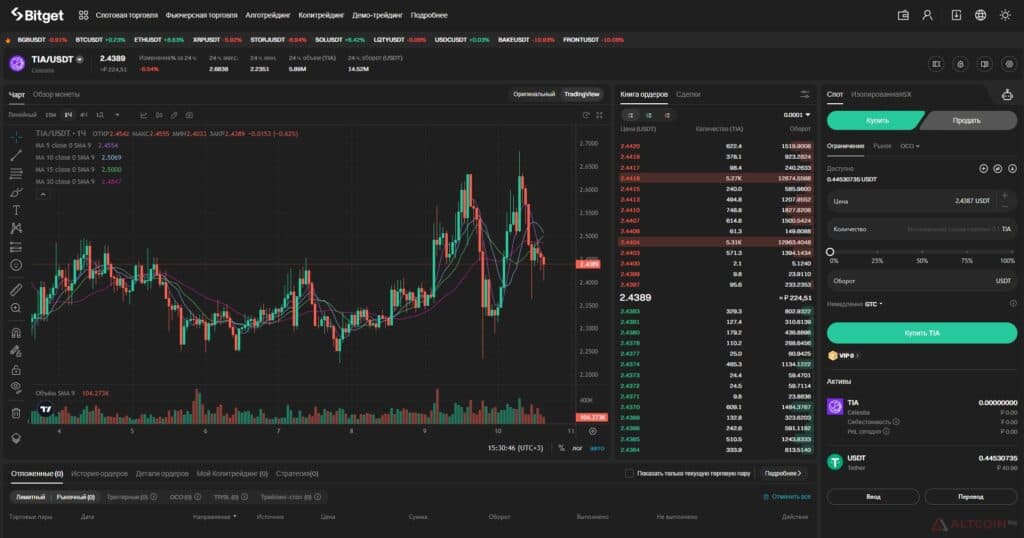
Where to Buy TIA Token in 2025
TIA is listed on major centralized exchanges and increasingly accessible via DEXs on Cosmos/EVM venues through bridges. Compare liquidity, fees, and custody model before purchasing.
Best Wallets for Celestia
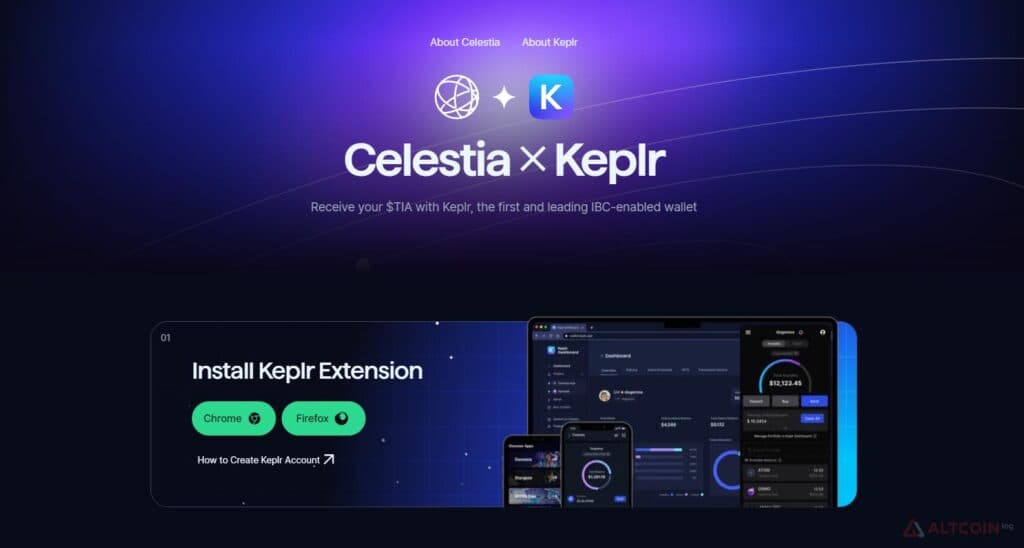
- Keplr
- Hardware wallets (via supported apps) for long-term custody.
- Multichain wallets for bridging TIA into rollup ecosystems that rely on Celestia DA.
Celestia vs Ethereum: Which One Is Better?
They serve different roles. Ethereum L1 is a monolithic smart-contract platform prioritizing global shared state and strong neutrality. Celestia is a DA/consensus layer optimized for many sovereign execution layers. Many teams will use both: settle smart contracts on Ethereum, publish rollup data on Celestia, or mix based on security/economics. Trade-offs: simplicity vs modular flexibility, single fee market vs many.
Celestia Airdrops: What You Should Know
Eligibility Criteria in the Past
Retroactive drops often rewarded testnet operators, early stakers, developers, and users interacting with the broader ecosystem. Lesson: meaningful, on-chain participation tends to matter more than sybil-like activity.
How to Track Future Airdrops
Follow Celestia’s blog, GitHub, and official X/Discord. Watch major ecosystem rollups that lean on Celestia DA – many incentivize early users.
Tools and Aggregators to Use
Airdrop calendars, on-chain dashboards (e.g., Cosmos explorers), and portfolio trackers help verify snapshots, claim windows, and contracts. Always double-check claim URLs and permissions to avoid phishing.
Final Thoughts: Is Celestia the Future of Blockchain?
Celestia crystallizes the modular narrative: unbundling allows independent scaling of DA and execution, enabling thousands of specialized chains. In 2025, VC interest, builder momentum, and improving light-client UX suggest continued growth – tempered by risks around fragmented liquidity, bridge security, and developer complexity.
Adoption Trends in 2025–2026
Expect more sovereign rollups, cheaper DA via sampling optimizations, tighter interop (IBC-style paths), and enterprise/data-heavy apps testing modular throughput.
FAQ
!-- Altcoinlog Styled Accordion: Celestia FAQ --> !-- 1 --> What is Celestia and how does it work? A modular Layer-1 that provides consensus and data availability (DA). Rollups and appchains execute transactions off-chain and publish their data to Celestia, enabling anyone to verify via light clients using data-availability sampling. !-- 2 --> Who is behind Celestia Labs? A research-focused team with roots in academia and major blockchain projects, specializing in DA sampling, erasure coding, and light-client security. !-- 3 --> What is the TIA token used for? TIA is used for staking/validator security, paying for DA blobs, and aligning network incentives. It may also participate in governance depending on protocol updates. !-- 4 --> Where can I buy Celestia crypto? On major centralized exchanges and via select DEX routes (often through Cosmos or EVM bridges). Always verify tickers, token contracts, and venue legitimacy. !-- 5 --> Are there any Celestia DEX platforms? DEXs generally deploy on rollups or appchains that publish data to Celestia DA. Celestia’s base layer itself does not host smart contracts or DEX logic. !-- 6 --> Is Celestia EVM compatible? Celestia is VM-agnostic. EVM compatibility is provided by execution layers (sovereign rollups/appchains) that choose EVM or other VMs, using Celestia exclusively for DA. !-- 7 --> What wallets support Celestia? Cosmos-native wallets such as Keplr, supported hardware wallets, and multichain wallets for interacting with EVM or CosmWasm rollups that rely on Celestia for DA. !-- 8 --> How do Celestia airdrops work? Criteria vary by program. Historically, airdrops rewarded early, real usage such as testnet participation, staking, and building. Always follow official announcements and verify claim contracts before signing anything.
Subscribe to our Telegram channel and read the comments, where smart people sometimes write smart things.
This story is for information only and is not investment advice. Crypto assets are volatile and you can lose everything you put in. You decide on any trade yourself. Disclosure
Comments0
Comments are moderated. Ads, insults, and trading calls are removed. Discussion rules
No comments yet
Be the first — the author reads the thread and answers questions.