
Abu Dhabi court grants Binance a $6.5 billion freezing order over hack
Binance won a $6.5 billion worldwide freezing injunction from Abu Dhabi courts over its Oct. 29 hack. The figure is a ceiling, not money frozen or returned.
All news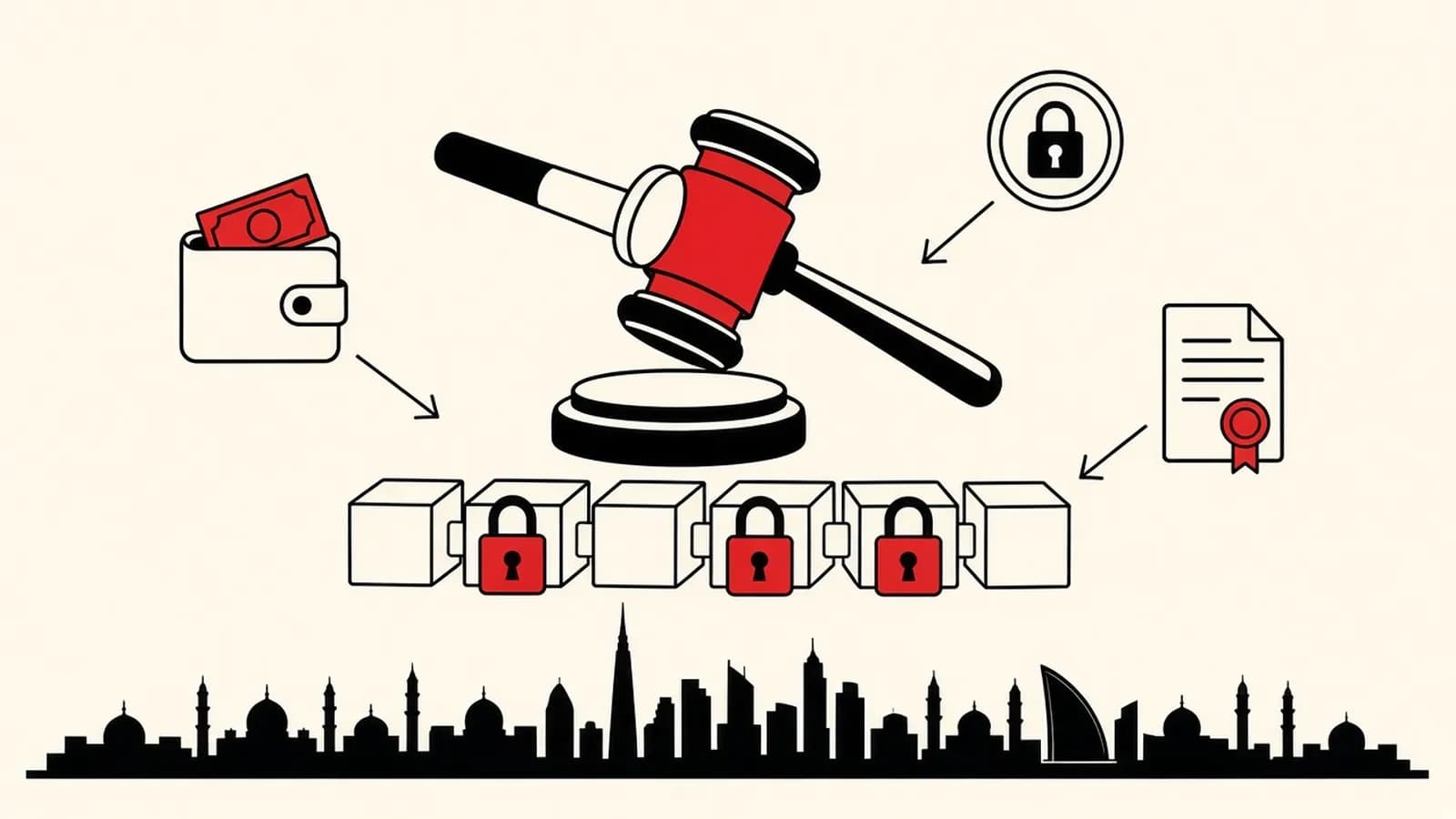
 Polly PhelonyAuthor · Trading
 Editor-in-ChiefEditor · checked this story
Published November 19, 2026 at 09:33 PMUpdated November 19, 2026 at 09:33 PM
Binance has obtained a $6.5 billion worldwide freezing injunction from the Abu Dhabi Global Market (ADGM) Courts against the unidentified attackers behind its Oct. 29 hack, the exchange said on Nov. 18. The figure is the ceiling the injunction covers, not money frozen or returned. Binance has previously said about $2.85 billion of roughly $6.34 billion in affected assets was frozen or intercepted, according to The Block.
Justice William Stone SBS KC issued the order. The court also granted proprietary injunctions over specific stolen assets and delivery-up orders that require those assets to be handed over. Some interim orders name parties that have already frozen stolen funds, and Binance does not allege wrongdoing by them.
Why issuers and exchanges wanted a court order
Freezing a token and giving it back are separate steps. Binance said some issuers, exchanges and other partners need a formal court order before they can release, transfer or return assets they have blocked. Tom Robinson, co-founder of Elliptic, earlier told The Block that frozen stablecoins could technically be reissued to Binance, but issuers would first want "a clear legal basis," such as a law enforcement request or a court order confirming the rightful owner.
The orders can be served via blockchain, so legal notice goes to wallet addresses instead of through traditional channels, Cointelegraph reported citing Binance's lawyers. Market participants will be told about updates to a "living list" of 26,000 addresses identified as holding stolen assets. M. Kendall Day of Gibson Dunn, which represents Binance, said the setup is meant to let those assets "be frozen rapidly even as they are laundered at pace."
What the injunction cannot reach
A court order does not create a freeze button for native coins. Bitcoin, ether and XRP have no central issuer, and Robinson estimated at the time that about $3.3 billion of the stolen funds sat in those assets, "which no one can freeze." That split explains why $3 billion of the stolen assets was frozen and $2.4 billion was not in the first days after the attack. Coins held in self-custody can only be stopped when they reach an exchange or another service that honors the order.
Customer balances are a separate matter. Binance said last week it had completed coverage of affected assets, committing more than $6.34 billion from its treasury, its Secure Asset Fund for Users and insurance funds. That came weeks after Binance reopened withdrawals.
The ADGM case runs alongside a US government action. The DOJ is already moving to seize $1.2 billion of the stolen funds, and the Justice Department's Nov. 12 release put the total frozen through government and private sector efforts at more than $2.7 billion. That is a forfeiture route run by the state. The Abu Dhabi orders are Binance's own civil claim to get its property back, and its statement did not disclose how much has been returned under them so far.
This story is for information only and is not investment advice. Crypto assets are volatile and you can lose everything you put in. You decide on any trade yourself. Disclosure
Comments0
Comments are moderated. Ads, insults, and trading calls are removed. Discussion rules
No comments yet
Be the first — the author reads the thread and answers questions.