
CFTC takes Utah to court over Kalshi: what the lawsuit asks for
The CFTC has sued Utah to stop the state from enforcing its gambling laws against Kalshi and other federally regulated prediction markets.
All news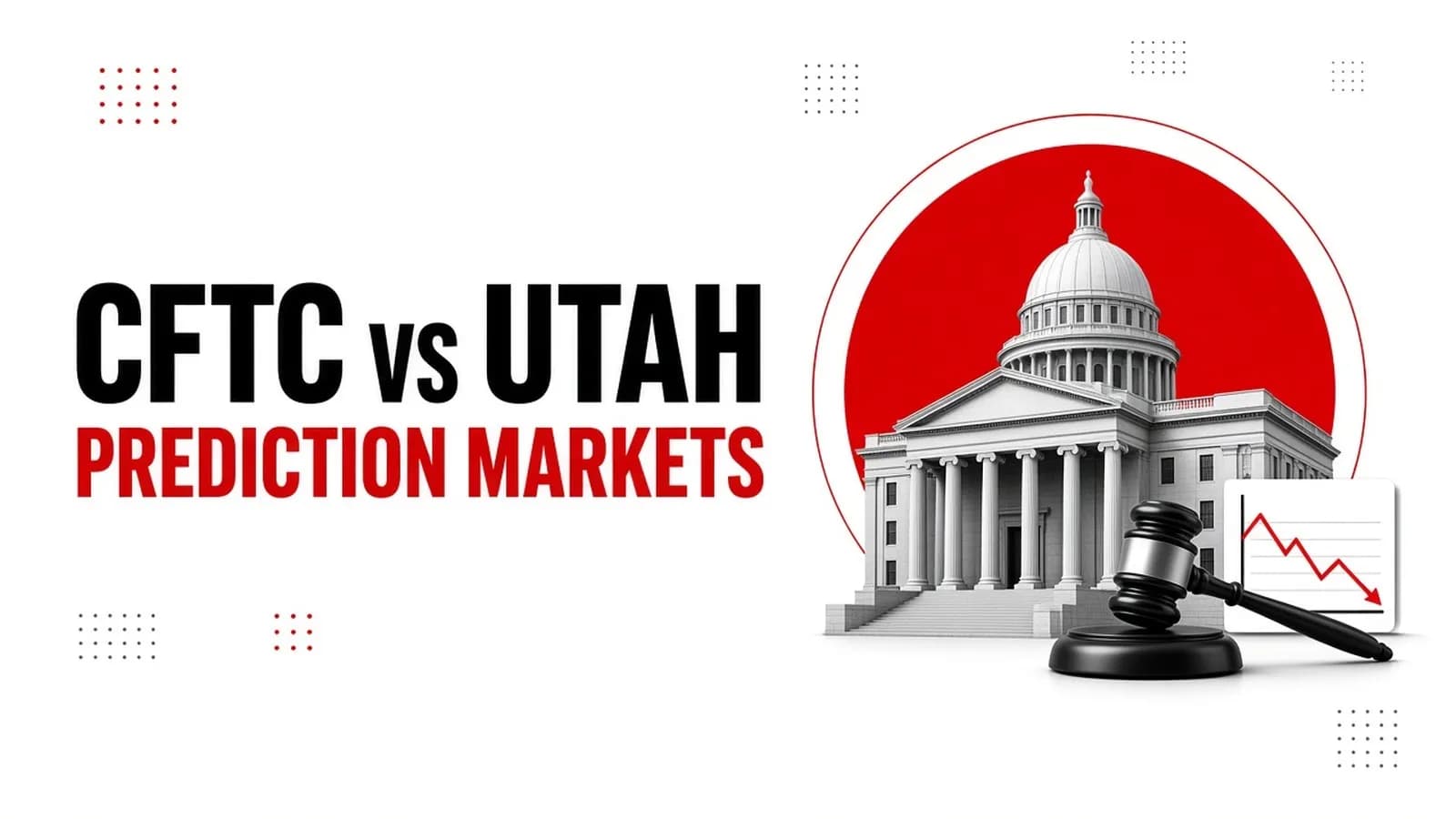
 Polly PhelonyAuthor · Investing
 Editor-in-ChiefEditor · checked this story
Published October 28, 2026 at 07:47 PMUpdated October 28, 2026 at 07:47 PM
The U.S. Commodity Futures Trading Commission and the Justice Department have sued the state of Utah and its Attorney General Derek Brown in federal court, asking a judge to stop the state from enforcing its gambling laws against Kalshi and other CFTC-regulated prediction markets. The complaint on cftc.gov was filed on Oct. 26 in the U.S. District Court for the District of Utah, and the agency announced it on Oct. 27.
What the CFTC wants the federal court to do
What triggered the suit? On Oct. 20, Utah filed a civil case in Salt Lake County state court against Kalshi, several Kalshi affiliates and the market maker Susquehanna. The Utah Attorney General's announcement on attorneygeneral.utah.gov says the platform lets residents bet on sports, elections and politics, calls it a public nuisance and asks the court to stop those bets in the state. "Kalshi runs an online casino in Utah and calls it a prediction market," Brown said.
What exactly is the CFTC asking for? Two things. A declaration that Utah's laws are preempted under the Supremacy Clause "as applied to transactions listed, offered, or executed" on CFTC-regulated exchanges, known as designated contract markets. And a preliminary and permanent injunction that would bar the state from investigating or pursuing those exchanges, their affiliates and partners. The complaint argues the contracts Utah targets are swaps under the Commodity Exchange Act, which gives the CFTC "exclusive jurisdiction" over them.
Is this new? Only the target. Utah is the tenth state the CFTC has taken on, after Arizona, Connecticut, Illinois, New York, Wisconsin, Minnesota, Rhode Island, New Mexico and Kentucky, according to The Block on theblock.co. Earlier this year Arizona filed criminal charges against Kalshi, and the complaint lists preliminary injunctions already won in Arizona, Illinois and Minnesota.
Why Utah thinks it can win
Hasn't a court already looked at this? Yes, and Utah won. Kalshi sued Utah officials in February 2026. In August, U.S. District Judge Robert Shelby granted summary judgment to the state, finding that federal law does not override Utah's gambling ban, according to the attorney general's office. On Sept. 8 the Tenth Circuit refused to block enforcement while Kalshi appeals. That appeal is still pending.
Why does Utah push harder than other states? Brown points out that Utah is one of only two states whose constitution prohibits gambling, so the legislature cannot license sports betting the way neighbors have.
What does it mean for users? Nothing changes overnight. Kalshi is not a party to the federal case, and no court has ruled on the CFTC's request. The agency is also pursuing the issue through rulemaking: on Oct. 9 it proposed defining sports, political and weather event contracts as swaps. Back in March, Kalshi and Polymarket tightened their trading rules on insider trading, and the CFTC signed an integrity MOU with the NBA on Oct. 26.
What comes next? The Utah federal court has to decide whether to grant a preliminary injunction, while the Tenth Circuit weighs Kalshi's own appeal on the same legal question. Two federal tracks in one state could produce conflicting answers, and The Block notes the jurisdiction question could end up at the Supreme Court. It is also another fight over how the CFTC defines a product, this time with a state on the other side.
This story is for information only and is not investment advice. Crypto assets are volatile and you can lose everything you put in. You decide on any trade yourself. Disclosure
Comments0
Comments are moderated. Ads, insults, and trading calls are removed. Discussion rules
No comments yet
Be the first — the author reads the thread and answers questions.